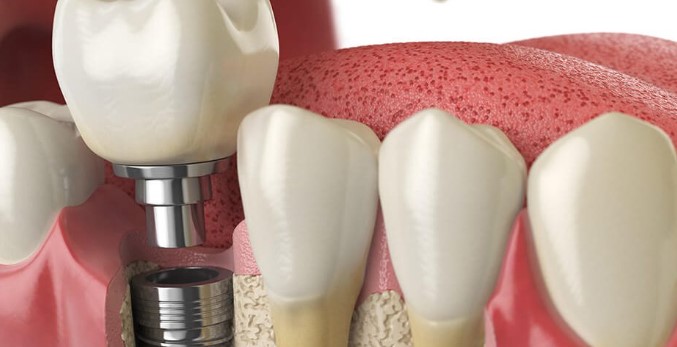
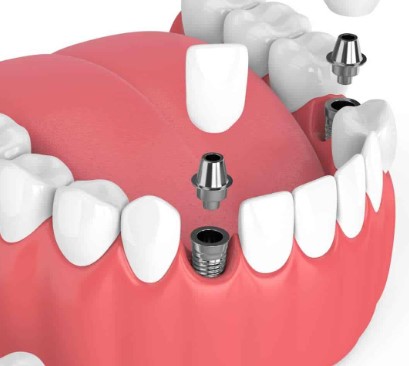
Dental implants, a modern marvel in dentistry, offer a permanent solution for missing teeth. These titanium posts are surgically implanted into the jawbone, providing a stable foundation for artificial teeth. The procedure involves several stages, from evaluation and preparation to implantation and healing. With their natural look and feel, dental implants offer numerous advantages over traditional solutions like dentures. Whether you're missing a single tooth or multiple teeth, understanding the basics of dental implants is crucial for making informed decisions about your oral health and achieving a confident smile that lasts a lifetime.
Unveiling the advantages of dental implants versus traditional solutions is a journey through cutting-edge dental innovations. Dental implants, marvels of modern dentistry, provide a permanent and stable solution for missing teeth. Surgically implanted into the jawbone, these titanium posts offer a natural look and feel, surpassing the limitations of traditional options like dentures. With dental implants, patients can embrace the confidence of a radiant smile that endures the test of time. On the other hand, traditional solutions often lack the longevity and stability that dental implants offer. The comparison between dental implants and traditional options highlights the transformative power of advanced dental care, providing patients with optimal oral health and aesthetics.
In the pursuit of excellence in dental care, it's essential to partner with reputable professionals who are experts in dental implant procedures. Collaborating with dental specialists like Peter J Blank, DDS, ensures top-notch implantation and restorative work. By combining the wonders of dental implants with the expertise of experienced practitioners, patients can confidently embrace the transformative power of modern dentistry, experiencing the joy of a radiant and functional smile.
Different types of dental implants cater to unique needs, each with its own set of advantages. Titanium dental implants, widely adopted for their biocompatibility, seamlessly fuse with the jawbone, creating a stable base for artificial teeth. Zirconia dental implants, on the other hand, offer a metal-free alternative with a more natural appearance, making them ideal for patients with metal allergies. Subperiosteal implants are strategically placed under the gum but above the jawbone, making them a suitable option for individuals with insufficient bone height or those unable to undergo bone augmentation. On the forefront of dental technology, endosteal implants are directly implanted into the jawbone, providing strong support for single or multiple teeth. Embrace the innovation of All-on-4 dental implants, where four implants work harmoniously to support an entire arch of fixed artificial teeth, offering a reliable and cost-effective solution for patients with multiple missing teeth.
Embark on a journey to master the intricate steps of the dental implant procedure. This transformative process involves a series of precise and skillful stages, each contributing to the creation of a lasting and natural-looking smile. The first step entails a comprehensive evaluation of the patient's oral health and the formulation of a personalized treatment plan. Subsequently, the dental implant is surgically placed into the jawbone, and a healing period commences, allowing the implant to integrate with the bone. After successful osseointegration, an abutment is attached to the implant, serving as a connector between the implant and the prosthetic tooth. Finally, the crown, designed to match the surrounding teeth perfectly, is placed onto the abutment, completing the restoration process. Understanding the intricacies of the dental implant procedure empowers patients to make informed decisions and achieve the smile of their dreams.
Discovering eligibility for dental implants is a fascinating journey that involves a comprehensive assessment of various factors. The candidacy evaluation is conducted by dental professionals to determine if individuals are suitable candidates for this transformative procedure. A thorough examination of oral health, bone density, and overall medical history is essential in identifying those who can benefit from dental implants. Patients with sufficient jawbone density and good overall health typically have a higher chance of being eligible. Dental practitioners carefully consider each patient's unique situation, ensuring that dental implants offer a safe and effective solution for restoring smiles and improving oral health. Unveiling eligibility for dental implants opens the door to a world of possibilities, empowering patients to embrace the joy of a confident and radiant smile.
Unveiling the Wonders of Dental Implants |
|
|---|---|
IntroductionExplore the marvels of dental implants and their transformative impact on oral health. |
What are Dental Implants?Dental implants are titanium posts surgically implanted into the jawbone to provide a stable foundation for artificial teeth. |
AdvantagesUncover the numerous benefits of dental implants over traditional solutions like dentures. |
Types of Dental ImplantsLearn about different types of dental implants, from titanium to zirconia. |
CandidacyEvaluate who is eligible for dental implants through a comprehensive assessment of oral health and medical history. |
The ProcedureUnderstand the step-by-step process of the dental implant procedure. |
Aftercare and MaintenanceEnsure the longevity of dental implants with proper aftercare and regular check-ups. |
|
Embarking on the journey towards dental implant surgery is a significant step in achieving a radiant smile and improved oral health. Preparing for the procedure involves a series of thoughtful considerations and comprehensive evaluations to ensure a seamless experience. Before the surgery, patients can expect an in-depth consultation with their dental professional, where personalized treatment plans are discussed and tailored to meet individual needs. The implantation process, carefully carried out by skilled practitioners, requires precise placement of titanium posts into the jawbone. Throughout the journey, patients are guided with care and compassion, addressing any concerns and providing detailed information about what to expect during and after the surgery. Embrace this transformative experience and look forward to a brighter, more confident smile that lasts a lifetime.
As you embrace the healing process after dental implant surgery, diligent aftercare and adherence to essential tips play a pivotal role in ensuring a successful recovery. The initial stage of recovery involves managing any post-surgical discomfort, which can be alleviated with prescribed medications and cold compresses. Embrace a soft-food diet to protect the surgical site and maintain oral hygiene with gentle brushing and saltwater rinses. Monitoring your healing progress through regular check-ups with your dental professional fosters a smooth recovery journey. Adopting these practical tips and incorporating self-care practices into your routine paves the way for a successful dental implant recovery, unveiling a confident and radiant smile that stands the test of time.
Nurturing brilliance through long-term care and maintenance is vital for preserving the longevity and radiance of dental implants. Regular dental check-ups, conducted at least twice a year, allow your dental professional to assess the condition of your implants and ensure their optimal function. Embrace good oral hygiene practices, including daily brushing, flossing, and using antimicrobial mouthwash, to safeguard the health of your gums and implant-supported teeth. Avoid harmful habits such as smoking, which can compromise the success of your implants. By prioritizing meticulous care and maintenance, you can confidently savor the brilliance of your dental implants for years to come, empowering you with a dazzling smile that reflects your oral health and well-being.
Unraveling truths and dispelling misconceptions about dental implants is essential for informed decision-making. One common concern revolves around the perceived discomfort during the implantation process. However, advancements in dental technology and anesthesia techniques have made dental implant surgeries relatively painless. Addressing misconceptions about the cost of dental implants is crucial too. While the upfront investment may seem higher than traditional solutions, the long-term benefits and durability of implants often outweigh their initial expense. Additionally, some individuals believe that age or bone loss disqualifies them from getting dental implants, but modern procedures like bone grafting enable many to become eligible candidates. By shedding light on these and other misconceptions, individuals can confidently explore dental implants as a transformative and rewarding solution for restoring their smiles.
The dental implant procedure is usually performed under local anesthesia, so you should not experience pain during the surgery. Some discomfort and mild soreness may be expected after the procedure, but it can be managed with pain medication prescribed by your dentist.
Dental implants are designed to be a long-term solution for missing teeth. With proper care and maintenance, they can last a lifetime. The success and longevity of dental implants depend on factors such as oral hygiene, regular dental check-ups, and overall health.
Dental implants are a great option for most adults with missing teeth. However, not everyone may be an ideal candidate. Factors such as overall health, jawbone density, and gum health will be evaluated by a dental professional to determine candidacy for dental implants.
The dental implant process can vary depending on individual cases. On average, it takes about 3 to 6 months for the implant to fuse with the jawbone (osseointegration). After that, the restorative phase, where the artificial tooth is placed, may take a few additional weeks.